
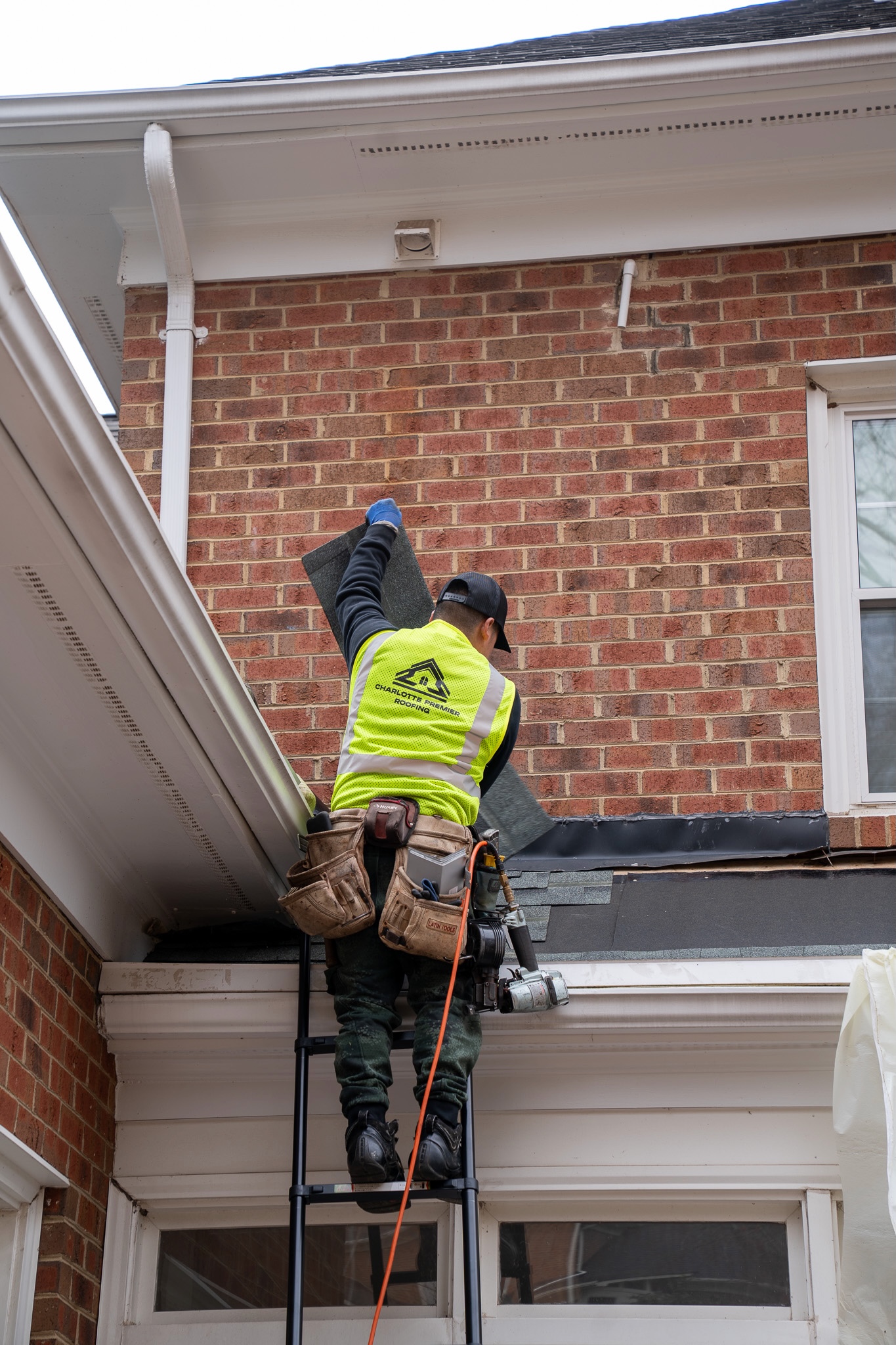
Charlotte's Thunderstorms Are Brutal on Roofs
Charlotte, North Carolina sits right in the middle of one of the most active thunderstorm corridors in the Southeast. From late spring through early fall, severe thunderstorms roll through the metro area bringing high winds, heavy rain, lightning, and hail — sometimes all in the same afternoon.
At Charlotte Premier Roofing, we see the aftermath of these storms every week. The damage isn't always obvious from the ground, but it adds up fast. Here's what every Charlotte homeowner needs to know about thunderstorm roof damage and what to do about it.
How Thunderstorms Damage Your Roof
A single severe thunderstorm can hit your roof with multiple types of damage at once:
Wind damage. Charlotte thunderstorms regularly produce wind gusts of 50–70+ mph. That's more than enough to lift shingle tabs, break the adhesive seal between shingles, and tear off ridge caps. Once a shingle is lifted, wind-driven rain pushes water underneath and into the roof deck — and that's when leaks start.
Hail damage. Even small hail (quarter-sized or larger) strikes your shingles hard enough to crack the fiberglass mat, knock off protective granules, and create soft spots that weaken over time. Hail damage is almost impossible to see from the ground — it takes a hands-on roof inspection to identify.
Flying debris. Broken tree branches, loose siding from neighboring homes, and airborne debris can puncture shingles, crack flashing, and damage vents and pipe boots. Even a small branch impact can crack a shingle and create an entry point for water.
Heavy rain and water pooling. Sustained heavy downpours overwhelm gutters and test every seal and seam on your roof. If your gutters are clogged or undersized, water backs up under the shingles at the roof edge, causing leaks along the fascia and soffit.
What to Check After a Thunderstorm
You don't need to climb on your roof after every storm — leave that to the professionals. But there are ground-level checks every homeowner should do:
Walk your yard. Look for shingles, pieces of flashing, or ridge cap material on the ground. If parts of your roof are in your yard, you have a problem that needs immediate attention.
Check your gutters. Look for dents from hail, sagging sections pulled loose by wind or debris, and excessive granule buildup. A handful of granules is normal — a thick layer of dark, sand-like material means your shingles are deteriorating.
Look at your ceiling and attic. After a heavy storm, check your ceilings for new water stains, bubbling paint, or drips. If you can safely access your attic, look for wet spots on the decking or insulation.
Inspect your siding and windows. Hail and wind damage to your siding, window screens, and trim often correlate with roof damage. If your siding is dented, your roof likely took the same hits.
Check your AC unit. The aluminum fins on your outdoor condenser are thin and easily bent by hail. Damaged fins are one of the most reliable indicators of hail size and severity.
When to Call a Roofing Professional
Call a roofer right away if you notice any of these:
- Shingles or roofing material in your yard
- Active leaks or new water stains after the storm
- Visible damage to flashing, vents, or ridge caps
- Dents on your gutters, AC unit, or car (indicating hail)
- Your neighbors are getting their roofs inspected (storms hit entire neighborhoods, not just individual houses)
Even if you don't see obvious damage, it's smart to schedule an inspection after any storm that produces hail or wind gusts above 50 mph. Hidden damage left unaddressed gets worse with every subsequent rain.
Should You File an Insurance Claim?
If a professional inspection confirms storm damage, filing an insurance claim is usually the right move. Most homeowner's policies in North Carolina cover wind and hail damage. Your out-of-pocket cost is typically just your deductible ($1,000–$2,500), and insurance covers the rest.
Charlotte Premier Roofing helps with every step of the claims process — from initial documentation to meeting with your adjuster to handling supplements if the first estimate is too low. We don't push claims that aren't warranted, and we don't charge for inspections.
Don't Wait Until the Next Storm
Charlotte's storm season runs from April through October, and each storm compounds damage from the last one. A shingle that was cracked by hail in May will leak by August. A flashing seal that was loosened by wind in June will fail during the next heavy rain.
The cheapest roof repair is the one you catch early.
Call Charlotte Premier Roofing at (704) 352-1112 or visit charlottepremierroofing.com to schedule your free post-storm roof inspection.
Charlotte Premier Roofing — Honest Work. Fair Prices. Roofs That Last.

.png)


